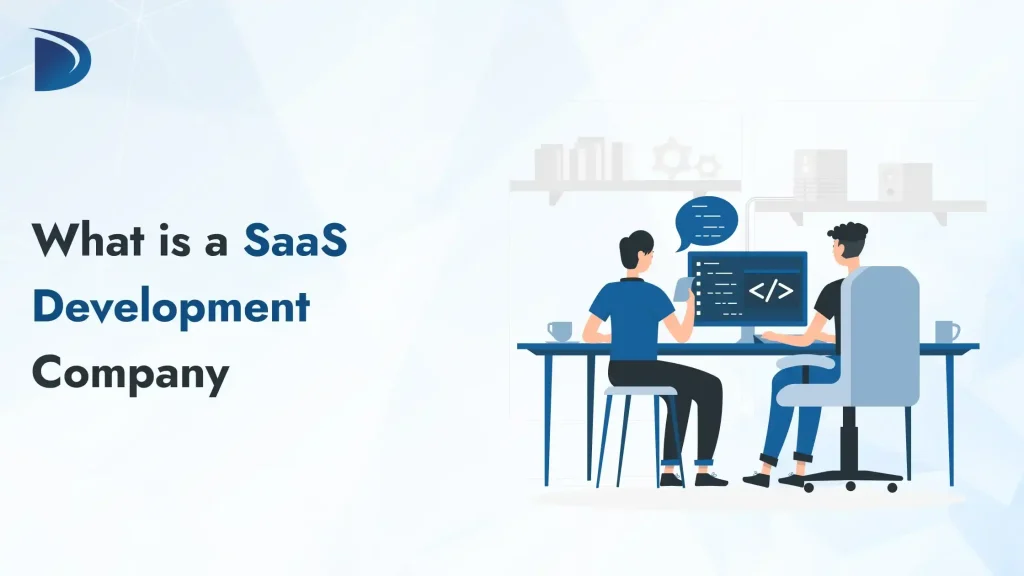
Have you ever used an app that works immediately? You click a button, and everything runs smoothly, no waiting, no complicated setup. That is the magic of SaaS, or Software as a Service. Behind these easy-to-use tools are SaaS development companies that build and maintain them. In this guide, we will explain what SaaS development is, what these companies do, when you might need one, how to choose the right team, and more. Whether you are starting a new app or improving an existing one, this will help you understand the basics in simple terms.
What Is SaaS Development?
SaaS stands for Software as a Service. It is a method of delivering software over the internet. You do not need to download or install anything on your computer; instead, you access it through a web browser or mobile app. Examples include Google Workspace for email and documents, Slack for team communication, and online billing tools. These applications run on remote servers in the cloud, not on your device.
SaaS development is the process of creating cloud-based applications. It is similar to building a house, but for software. Typically, it involves the following steps:
Planning: Identifying the features users need, such as login screens or data dashboards.
Coding: Developing the front end (the visible, interactive part) and the back end (the underlying system that manages data and logic).
Testing: Ensuring the app functions correctly on different devices, browsers, and under various conditions.
Deploying: Launching the app on cloud services such as AWS (Amazon Web Services) or Microsoft Azure.
Maintaining: Updating the app with new features, fixing bugs, and scaling it to support more users.
Unlike traditional software that you purchase once and install on your computer, SaaS uses a subscription model. You pay monthly or yearly and receive ongoing updates and support. You no longer have to deal with technical issues yourself the provider handles them.
What Does a SaaS Development Company Do?
A SaaS development company transforms your app idea into a functional product that is fast, secure, and user-friendly. They manage the entire process from beginning to end. Here is what they typically handle:
Feature Planning: They assess your users needs, such as adding payment options or custom dashboards.
UI/UX Design: They design interfaces that are visually appealing and function well on phones, tablets, and computers.
Frontend Development: They use tools such as React.js or Vue.js to make the app interactive and responsive.
Backend Development: They build the core using frameworks like Laravel, Django, or Go to manage data and operations.
Cloud Setup: They deploy the app on platforms like AWS or Azure, or use Docker for easy scaling.
Integrations: They connect your app to other services, such as payment gateways like Stripe or CRM tools like Salesforce.
Security: They implement protections such as user logins, data encryption, and compliance with regulations like GDPR (for privacy) or HIPAA (for health data).
Maintenance: After launch, they fix issues, provide updates, and ensure the app runs smoothly as your business grows.
These companies ensure your app works on all devices, supports more users as it grows, and integrates smoothly with other tools.
When Should You Hire a SaaS Development Company?
Not every business needs to develop software in-house.
Here are some common situations where hiring a SaaS development company is a wise choice:
You Have a Great Idea but No Product Yet: If you have an app concept but do not know how to build it, professionals can design, code, and launch it while focusing on user needs.
Your App Needs to Handle Growth: If your simple app is available but slows down as more users join, experts can optimize the code and setup to help it scale easily.
Your Software Keeps Breaking: Crashes or slow performance drive users away. A team can fix or rebuild your software for greater reliability.
You Want to Switch to the Cloud: If you are limited to desktop programs or spreadsheets, they can move everything online for better access and collaboration.
You Need Connections to Other Tools: Need to link to services like Stripe for payments or Slack for messaging? They can build secure, seamless integrations.
You Do Not Have Your Own Tech Team: SaaS development requires developers, designers, and cloud technology experts. Hiring a company provides a complete team without the hassle of recruiting.
You Need It Done Fast and Right: Tight deadlines? They use efficient methods, such as agile sprints and continuous integration and continuous deployment (CI/CD), to deliver quality quickly.
Hiring professionals saves time and money in the long run, especially if technology is not your primary focus.
What to Look for in a SaaS Development Company
Choosing the right company can determine the success of your project. Here is what to look for:
All-Around Know-How: They should understand your business goals and user needs, not just write code. Look for experience in your industry, such as e-commerce or education.
Clear Communication: Choose a team that explains concepts clearly, answers your questions, and provides regular updates.
Solid History: Review their previous work, including live apps, case studies, or reviews on sites like Clutch or GoodFirms.
Full Skill Set: Ensure they cover frontend (e.g., ReactJS), backend (e.g., Laravel), design, testing, and cloud tools (e.g., Docker and AWS).
Ongoing Support: Strong teams provide support after launch for updates, fixes, and improvements.
Flexible Methods: They should use agile methods, breaking work into short sprints with clear timelines.
Take your time to interview several candidates and request examples of their work.
Tools and Frameworks for SaaS Development
To build robust SaaS applications, developers use modern tools and frameworks. These make applications scalable, fast, and user-friendly. Here is a quick overview:
Frontend frameworks: ReactJS, Vue.js, and Angular for creating dynamic, responsive interfaces.
Backend frameworks: Laravel (PHP), Django (Python), Symfony (PHP), and Go (Golang) for secure data and logic management.
Deployment tools: Docker and Kubernetes for packaging and running applications in the cloud.
CI/CD pipelines: GitHub Actions and Jenkins for automated testing and deployment.
Databases: MySQL, MongoDB, and PostgreSQL for efficient data storage.
API tools: Postman and Swagger for building and testing APIs.
Cloud platforms: AWS, Azure, and Google Cloud for hosting and scaling applications.
These tools, combined with agile workflows, enable teams to build apps that scale with their business.
Best SaaS Development Frameworks for 2025
Choosing the right framework is crucial because it affects development speed, application performance, and scalability. A framework is a toolkit that provides ready-made components for features such as login, billing, and data handling. It accelerates development, enhances security, and integrates with cloud services.
Key things to think about when picking one:
Easy to use with clear guides.
Handles growth without slowing down.
Delivers fast performance for satisfied users.
A strong community provides help and updates.
Integrates well with other tools.
Here’s a comparison table of top frameworks:
Framework
Language
Best For
Pros
Cons
Symfony
PHP
Enterprise-grade apps
Modular, secure, scalable, supports complex logic
Steeper learning curve, complex setup
ReactJS
JavaScript
Dynamic frontends
Consistent environments supports CI/CD
Needs backend pairing, complex state management
Docker
Container
Deployment and microservices
Verbose code, large files, and less flexible
Needs DevOps skills, complex management
Angular
TypeScript
Robust frontends
All-in-one tools, TypeScript, great CLI
Verbose code, large files, less flexible
Django
Python
Rapid MVPs
Built-in admin, secure, scalable, good docs
Less flexible for custom setups
Laravel
PHP
MVPs and mid-sized apps
Elegant code, fast setup, active community
Needs tweaks for heavy loads
Vue.js
JavaScript
Interactive frontends
Easy to learn, flexible, reactive binding
Smaller enterprise use, limited tools
Go (Golang)
Go
High-performance backends
Fast, great concurrency, simple syntax
Fewer features, smaller community
In-Depth Look at Each Framework
Symfony: Excellent for large, complex applications. Its modular, secure design is ideal for custom workflows.
ReactJS: Specializes in fast, interactive interfaces. Best for user-facing components, but should be paired with a backend.
Docker: Not a coding framework, but essential for consistent application packaging and deployment.
Angular: A comprehensive frontend solution with built-in tools. Suited for large projects that require structure.
Django: Speeds up building minimum viable products (MVPs) with built-in security and admin features.
Laravel: User-friendly for quick project launches. Suitable for startups but requires optimization fora larger scale.
Vue.js: Lightweight and easy to use for dynamic interfaces. Well-suited for smaller teams.
Go (Golang): Extremely fast for backends that handle high traffic or real-time processing.
How to Choose the Right SaaS Framework
Set your goals: Do you need speed, scalability, or easy maintenance?
Check team skills: Choose technologies your team knows or can learn quickly, such as Python for Django.
Consider growth: Ensure it can handle more users, for example, by handling high loads.
Evaluate support: Strong communities and integrations are important.
Test it: Build a small prototype to assess performance.
Plan for the future: Select options that help keep code clean for future changes.
Emerging SaaS Development Companies to Watch in 2025
Keep an eye on these rising stars:
SoftFormance (Estonia): Delivers fast MVPs in 6–8 weeks using Laravel and Vue.js. Ideal for startups, with transparent pricing.
SumatoSoft (Boston, USA): Develops large applications for HR and workflows with Rails and Angular. Provides ongoing support.
WeAreBrain (Europe): Specializes in AI-integrated e-commerce applications, managing everything from design to launch.
Benefits of Software as a Service (SaaS)
SaaS is not just about development; it is a game-changer for businesses. The market is currently valued at about $273 billion and could reach $908 billion by 2030.
Here is why companies value it:
Cost Savings: Reduce IT costs by 30–50%. No large upfront purchases – only subscriptions. Save on hardware and maintenance.
Easy Scaling: Expand quickly without adding servers. Ninety-one percent of businesses choose SaaS for this reason.
Automatic Updates: Providers handle fixes and new features, eliminating manual work and reducing risks by 65%.
Anywhere Access: Work from any device. Increases productivity by 32% for remote teams.
Top Security: Encryption, MFA, and compliance with standards such as GDPR. Ninety-four percent say it is safer than legacy software.
Smooth Integrations: Connect tools easily, saving over 20 hours per week.
Quick Setup: Launch in days, not months. Increase revenue 30% faster.
For example, a startup switches to a SaaS CRM like HubSpot and saves months of development time.
Conclusion
SaaS development involves creating user-friendly, scalable, and continuously improving online applications. A reliable SaaS development company manages the technology, allowing you to focus on your business. From planning with tools like ReactJS and Laravel to benefits such as cost savings and growth, SaaS represents the future. If you are ready to build or upgrade, consult experts who use CI/CD for efficient maintenance. With the right framework and team, your application can succeed.
FAQs
What is the difference between SaaS and traditional software?
SaaS runs online with no installation and uses subscriptions for updates. Traditional software is installed on your device and is often a one-time purchase.
How long does it take to build a SaaS app?
A basic MVP takes 2–4 months. More complex apps can take 6–12 months.
What are the best frameworks for SaaS development?
For backends: Laravel, Django, Go. For frontends: ReactJS, Vue.js.
Can a SaaS app work offline?
Most require an internet connection, but some use caching for limited offline functionality.
What security measures should a SaaS app have?
Encryption, secure APIs, OAuth logins, and compliance with regulations like GDPR.
How do I choose a SaaS development framework?
Consider your team’s skills, project size, and growth requirements. Use Laravel for quick MVPs, Go for performance, and ReactJS for user interfaces.
Krunal is a Project Manager with over 8 years of experience in managing and delivering software development projects in the Information Technology and Services industry. He has a strong background in leading cross-functional teams and ensuring projects are completed on time and meet high-quality standards. Skilled in technologies like ASP.NET, .NET Core, C#, SQL Server, and Angular, Krunal also holds a Master's Degree in Computer Engineering.


 Ketan Sodvadiya
 Ketan Sodvadiya
 Olson Fernandes