

Table of Contents
UI/UX design is important for user retention, creating visually appealing and user-friendly interfaces that enhance satisfaction and encourage repeat visits. UI/UX design optimizes the user experience, enabling easy navigation, efficient task completion, and satisfying overall engagement.
A well-executed UI/UX design strategy can significantly boost user retention by incorporating intuitive layouts, interactive features, captivating visuals, and smooth interactions. Read this blog to learn why user retention is important for your business and how you can improve it.
What is user retention?
User retention refers to how well a business or website keeps users engaged and returning. It is a metric that measures the percentage of the total user base that continues to use the product, service, or platform over a given period. Essentially, it indicates how effectively companies retain their current users.
High user retention is essential for the success of any digital product because it demonstrates user satisfaction, loyalty, and ongoing engagement. When users return, it indicates they value the product or service, have a positive experience, and are likely to become loyal customers.
Businesses often use various strategies to promote user retention, such as creating tailored experiences, offering incentives or prizes, refining the user interface and user experience (UI/UX design), and delivering regular updates or new features. By focusing on user retention, businesses can build consumer loyalty, increase revenue, and foster a strong user community.
Why is UI/UX important for businesses?
Let’s explore key reasons why UI/UX design is important for user retention and the overall success of your company:
Increase conversion and ROI

A better user experience leads to higher user satisfaction and engagement. As a result, the company sees an increase in the percentage of customer conversions.
When companies invest in UI/UX, the long-term results include higher conversion rates, greater brand loyalty, and increased lead acquisition. Over time, these returns exceed the initial costs.
High user retention and customer loyalty
Good user interface and user experience design in digital products keep users engaged longer, encouraging them to interact with other products. Higher user retention directly leads to increased loyalty. The same is true for convenient user experiences.
Provide a better user experience and improve brand reputation
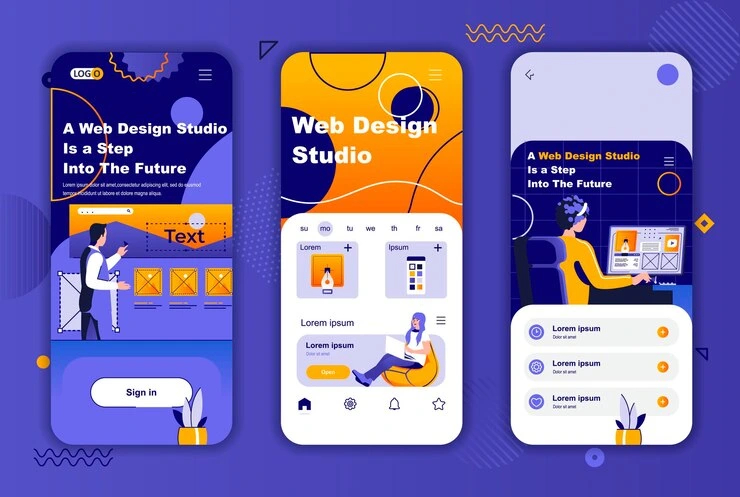
Ensure that your company’s digital products provide the best possible user experience across all platforms, including mobile phones, desktop computers, and tablets. Make sure they are optimized for each of these devices.
User interface and user experience designers help brands achieve this goal by ensuring the design and interface of their digital products remain consistent across all platforms and versions. To enhance credibility and popularity, businesses should ensure their digital product designs consistently align with their brand.
Reduce design cost and grow user base
Implementing a clear UI/UX design strategy from the start allows companies to address usability issues before they significantly affect user experiences. This approach also saves organizations money on future redesigns and corrections.
The needs of target consumers are a key aspect of UI/UX design. By focusing on this core concept, digital products will continue to attract more customers each year.
Attract more customers
Customers will be attracted more if:
- Ensure that new users experience a smooth and easy onboarding process. To achieve this, provide clear instructions and assistance at each step, and require only the minimum number of form fields.
- Implement a responsive design for your website. This allows your web page to adjust to any device and screen size, ensuring your site looks perfect and is easy to navigate on a PC, smartphone, or tablet.
- Label all fields clearly and include a menu that explains its contents, along with a prominently displayed search bar, to help customers quickly find what they need.
- Improve your website’s loading speed to prevent users from becoming frustrated and leaving. To reduce load times, compress images, use browser caching, and minimize HTTP requests.
How to improve UI/UX on the website?
When developing a great website, several important features are essential for attracting and engaging visitors. However, the work does not end after creating it; you must continue updating it regularly to keep attracting both new and returning customers.
Let’s check out how to improve the UI/UX of the website:
Clear and Engaging Branding
Your website should reflect your brand’s identity by using consistent branding elements such as a logo, color scheme, and font. Ensure your brand messaging is clear and compelling to instantly engage your target audience.
Intuitive navigation
Visitors should be able to navigate your website easily. Use a logical menu layout, clear labels, and hyperlinks to help users find the information they need. Include a search bar to improve navigation by allowing visitors to search for specific content or products.
Write compelling content
Content is the primary element to update if your website is outdated. Your site should feature high-quality, informative, and engaging material that appeals to your target audience. Use a mix of text, images, videos, and infographics to communicate your message and keep visitors engaged. Revise your content with high-ranking keywords, relevant links, images, and other enhancements.
Responsive Design
As mobile devices continue to dominate user behavior, websites and applications must provide a seamless experience on all screen sizes. Whether it’s a landing page or a startup mobile app UX design, your interface should be responsive, intuitive, and consistent across devices to keep users engaged. Ensure your site is easily accessible on mobile and delivers a smooth, user-friendly experience everywhere.
Add Call to Action (CTA)
Use clear calls to action and position them effectively to guide visitors toward the desired actions. Calls to action should be prominent and clearly indicate the next step, whether signing up for a newsletter, making a purchase, or contacting you.
Fast loading speed
Visitors are impatient and will close websites that take too long to load. Minimize file sizes, use WebP images, and optimize code to improve your website’s performance. A fast-loading website enhances user experience and reduces bounce rates.
Conclusion
In conclusion, UI/UX design plays a key role in increasing user retention. By prioritizing intuitive interfaces, visually appealing designs, and seamless interactions, UI/UX design enhances the overall user experience, keeping users engaged and encouraging them to return.
A well-executed UI/UX design plan considers factors such as fast onboarding, responsive design, straightforward navigation, and loading speed. Businesses that effectively integrate these aspects can increase user satisfaction, loyalty, and long-term engagement.
UI/UX design is essential for enhancing user retention, as it is more than just a design strategy; it is a powerful tool that helps digital products grow and succeed. Invest in UI/UX design to see how it can improve your user retention rates.