

Table of Contents
Cloud computing has become a key solution for businesses seeking greater flexibility, scalability, and cost efficiency. Adopting cloud computing allows organizations to move away from traditional on-premises infrastructure and access computing resources over the internet.
This transition helps businesses manage and store data, run applications, and improve collaboration without maintaining physical servers. As more companies make the shift, understanding how cloud computing works and how to adopt it effectively becomes increasingly important to remain competitive.
Adoption of Cloud Computing – How It Benefits Businesses
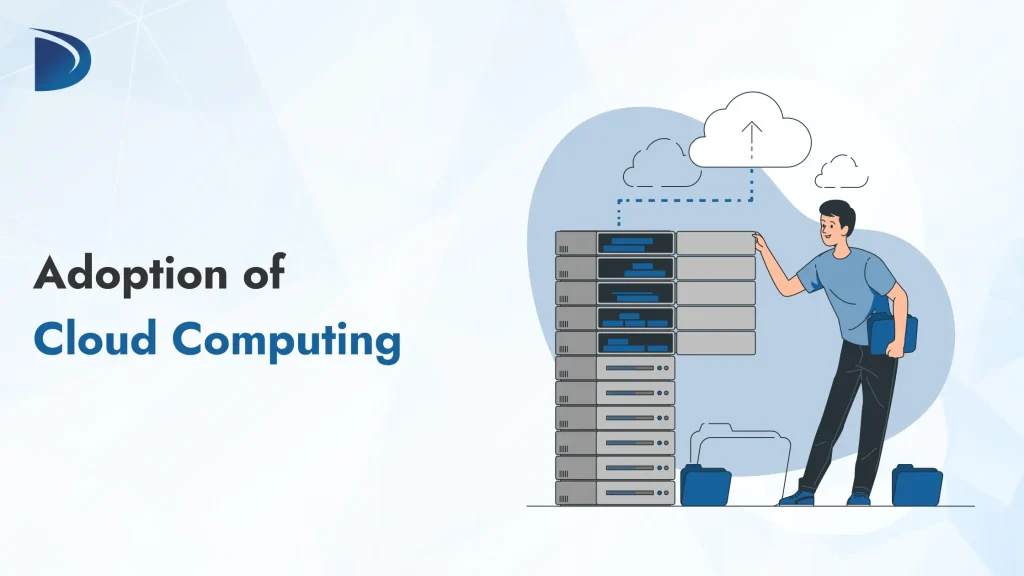
Adopting cloud computing involves moving away from traditional IT setups that rely on physical servers and infrastructure. Instead, businesses use cloud-based services to store data and run applications. This shift allows companies to access resources remotely over the internet, reducing the need for expensive physical hardware.
Now, businesses can access their data and applications anytime, from anywhere, without worrying about server failures or maintaining onsite equipment.
For example, a small online retailer can use cloud computing services such as Amazon Web Services (AWS) or Google Cloud to run its website and process orders. These cloud platforms provide the necessary computing power and storage without requiring an upfront investment in physical servers.
The retailer can easily scale operations during busy periods, such as holiday sales, and securely access data from any location, making operations more efficient and cost-effective.
How It Benefits Businesses:
- Reduces infrastructure costs by eliminating the need for physical servers.
- Provides flexible, scalable solutions that grow with business needs.
- Improves collaboration by enabling remote access to data and applications.
- Increases efficiency by streamlining operations and management.
- Allows businesses to access the latest technology without large upfront costs.
- Supports better disaster recovery and data security with cloud-based backup solutions.
Key Steps in the Adoption of Cloud Computing
When moving to cloud computing, businesses should follow these steps to ensure a smooth transition.
Step 1. Assessing Current IT Infrastructure
Begin by reviewing your current IT setup, including hardware, software, and data management processes. This will help identify what can move to the cloud and what may require upgrades.
Step 2. Choosing the Right Cloud Model
Pick the best cloud model based on your needs:
- Public Cloud: Ideal for cost savings and flexibility, with shared resources among businesses.
- Private Cloud: Provides dedicated resources and greater control, suitable for sensitive data.
- Hybrid Cloud: Combines both models, allowing flexibility to store some data privately while using public cloud services for scalability.
Step 3. Migrating Applications and Data
Move data and applications to the cloud gradually. Start with less critical systems, then transition essential ones to avoid disruptions. Proper planning minimizes downtime and keeps business operations running smoothly.
Step 4. Training and Upskilling Teams
Once cloud services are in place, train your team to use them effectively. This allows the business to maximize the benefits of cloud tools and prevents errors. Regular training keeps employees up to date and helps them adapt to changes.
Who Needs Adoption of Cloud Computing and Why?
| Who Needs It | Why They Need It |
| Small and Medium Businesses (SMBs) | Lowers costs and scales with business growth. Offers flexibility without large upfront investments. |
| Startups | Gives access to necessary IT resources without the need for big infrastructure or servers. |
| Large Enterprises | Helps manage complex operations and improves data security across multiple locations. |
| E-commerce Businesses | Scales easily during busy periods and ensures smooth online transactions with secure data storage. |
| Remote Teams and Distributed Companies | Allows access to tools and data from anywhere, improving teamwork and productivity. |
| Industries with Sensitive Data (e.g., Healthcare, Finance) | Meets compliance needs and provides secure storage, backups, and disaster recovery. |
| Technology Companies | Offers flexible, scalable infrastructure to run applications and store large amounts of data. |
Adoption of Cloud Computing: How It Works
The adoption of cloud computing involves businesses moving their IT infrastructure from physical servers to cloud-based services. Here is how it works:
- Shift from Physical Servers: Instead of maintaining costly on-premises hardware, businesses use remote cloud servers to store data and run applications. This reduces the need for physical infrastructure and associated maintenance.
- On-Demand Resources: Cloud computing provides resources such as computing power, storage, and software as needed. Businesses can scale usage up or down based on demand, which reduces costs.
- Remote Access: Cloud-based tools and applications are accessible over the internet. Employees can work from anywhere, securely accessing the same data and applications.
- Cost Efficiency: By moving to the cloud, businesses eliminate upfront hardware costs and pay only for what they use. This makes it easier to manage expenses, especially for small and medium-sized businesses.
- Improved Collaboration: Cloud services enable real-time collaboration, allowing teams to work together on documents and projects from any location.
- Better Security and Backup: Cloud service providers manage data security, perform regular backups, and handle disaster recovery, ensuring data is protected and easy to recover.
Conclusion
Adopting cloud computing is a significant step for businesses seeking to optimize operations, reduce costs, and improve flexibility. By moving from traditional on-premises infrastructure to cloud-based services, companies can increase scalability and efficiency without the burden of maintaining physical servers. This shift enables businesses to access resources remotely, collaborate more effectively, and secure their data.
Final Thoughts on How Businesses Can Begin Their Cloud Adoption Journey
For businesses beginning their cloud adoption journey, assessing the current IT infrastructure is essential. Following a well-structured plan, selecting the appropriate cloud model, and ensuring teams are trained on new systems will make the transition smoother. Cloud adoption is not just a technology change; it is a strategic move that can propel businesses forward in an increasingly digital world.